


Crypto Volatility Management: A Guide for Investors
As the digital asset market continues to grow, understanding crypto volatility management becomes increasingly important. In recent years, the cryptocurrency market has witnessed unprecedented fluctuations, with over $4.1 billion being lost to DeFi hacks in 2024 alone. This statistic highlights the growing need for effective strategies to manage the risks associated with crypto investments.
Understanding Crypto Volatility
Crypto volatility refers to the rapid and unpredictable price changes that cryptocurrencies experience. Unlike traditional assets, cryptocurrencies can fluctuate wildly within short periods, which can create both opportunities and risks for investors.
Here’s the catch: while volatility can present significant profit potential, it also poses substantial risks. This can lead to emotional trading, where the investor’s decisions are influenced more by fear and greed rather than rational analysis.
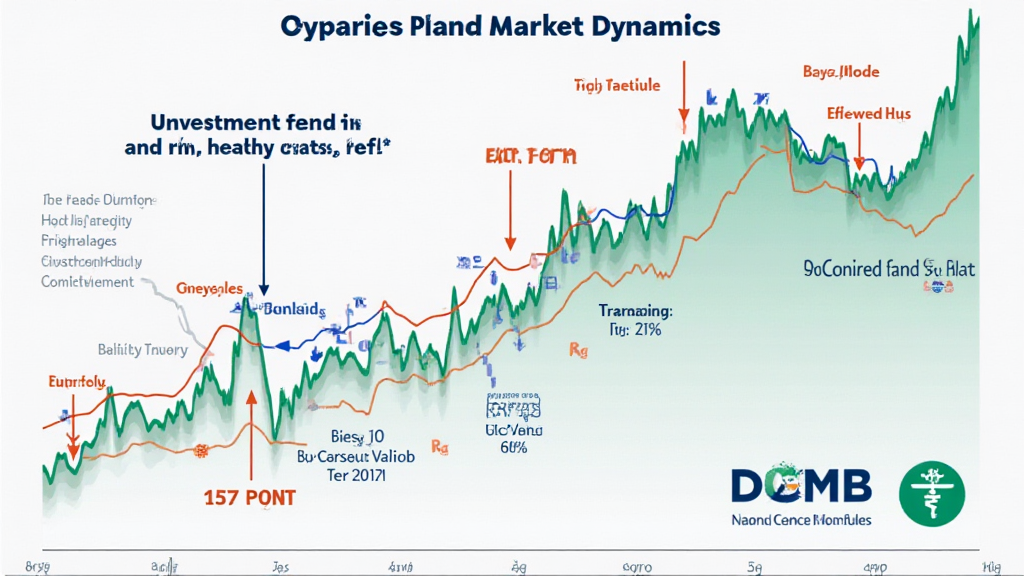
Market Factors Influencing Crypto Prices
- Market Cap: The larger the market cap, the less volatile the asset tends to be. For example, Bitcoin, with the highest market cap, is generally more stable compared to smaller altcoins.
- News and Events: Major announcements, regulatory changes, and technological advancements can lead to price swings. For instance, a statement from a financial authority can significantly impact investor sentiment.
- Trading Volume: Higher trading volumes often correlate with reduced volatility, as they signify a larger number of participants in the market.
Strategies for Managing Crypto Volatility
Let’s break it down into effective strategies for managing crypto volatility.
Diversification
Diversifying your portfolio can significantly reduce risk. Instead of putting all your eggs in one basket, consider allocating your investments across various cryptocurrencies. For example, investing in established coins like Bitcoin and Ethereum while also exploring promising altcoins can balance your portfolio.
Setting Stop-Loss Orders
Implementing stop-loss orders is one way to protect your investments against sudden market downturns. A stop-loss order automatically sells your asset when the price drops to a certain level, which can help minimize your losses during turbulent times.
Staying Informed and Agile
Continuous learning and keeping up with market trends is vital. For instance, tracking crypto news and insights from trusted sources can help you make informed decisions. Tools like market tracking apps can also assist you in staying updated.
Using Stablecoins
Stablecoins, like USDC or DAI, are pegged to stable assets such as the US dollar. Using stablecoins can provide a safe haven during extreme volatility, allowing you to preserve capital while deciding how to proceed with your investments.
Understanding Behavioral Psychology
Acknowledging the psychological factors at play can enhance your trading strategy. Emotional decision-making often leads to losses. By understanding cognitive biases, you can avoid making rash trades based on fear or hype.
Case Study: Crypto Market Growth in Vietnam
According to recent data, Vietnam’s crypto user growth rate has surged by over 60% in the past year, showcasing the rapid adoption of digital assets within the region. The increase emphasizes the relevance of crypto volatility management for both new and seasoned investors.
The Local Impact
The Vietnamese government is in the process of establishing regulations for cryptocurrencies. With the rise in users, the demand for secure investment practices and education on volatility will likely grow. This landscape presents both challenges and opportunities for platforms like bobscoinsonline.
Conclusion: The Future of Crypto Volatility Management
In conclusion, managing crypto volatility is crucial for anyone looking to invest in the digital assets space. As we’ve seen, volatility can be managed through strategies such as diversification, using stop-loss orders, and incorporating stablecoins into your portfolio. It’s essential to remain vigilant and informed, especially in rapidly evolving markets like Vietnam.
By adopting these strategies, investors can better navigate the complexities of the crypto world and position themselves for long-term success.
Not financial advice. Consult local regulators.
Expert Author: Dr. John Carter, a leading researcher in blockchain technology with over 20 published papers in the field and a notable contributor to various smart contract audits.


