Blockchain Wine Provenance: Trusting Every Sip
With over $4.1 billion lost to fraudulent wine scams in 2024, the need for transparency in the wine industry has never been greater. Blockchain technology has emerged as a game-changer, ensuring that every bottle’s journey is securely documented. But how does blockchain wine provenance work, and why should you care?
This article explores the ins and outs of blockchain wine provenance, a solution that not only enhances trust among consumers but also helps producers maximize their brand value. In an age where deception can easily tarnish reputations, understanding this technology could be the key to unlocking a more transparent industry.
Understanding Wine Provenance
Wine provenance refers to the history of ownership of a wine bottle, detailing where it was produced, how it was stored, and its entire journey to the consumer. Just as an art collector cares about a painting’s history, wine lovers cherish knowing their bottle’s backstory.
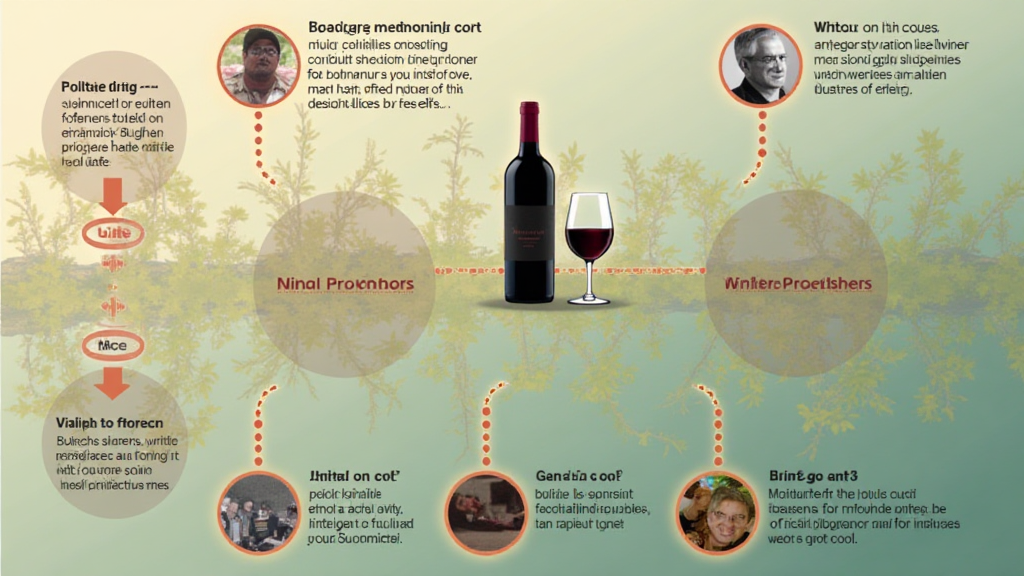
The Challenge of Wine Fraud
Wine fraud has been a persistent issue, particularly with high-value bottles that can fetch thousands on the secondary market. Fakes can undermine consumer confidence and damage the financial health of legitimate producers.
- Counterfeit Bottles: Estimates suggest that around 20% of fine wines sold today could be counterfeit.
- Trust Issues: Consumers often feel uncertain when purchasing expensive wines, as the risk of fraud looms large.
How Blockchain Can Help
Blockchain technology provides a transparent and immutable record of transactions that can be accessed by all stakeholders. When applied to wine provenance, it offers several advantages:
- Transparency: Each transaction is stored on the blockchain and cannot be altered. This creates a living history of the wine.
- Traceability: Consumers can trace a bottle back to its vineyard, allowing for verification of authenticity.
- Security: With blockchain, the risk of data manipulation diminishes significantly.
For instance, a wine bottle’s journey—from vineyard to consumer—could be documented in digital format. This information can include climate data, vineyard practices, and even the identity of the winemaker.
Real-World Applications of Blockchain in Wine
Several companies have begun integrating blockchain technology to enhance wine provenance:
- VinChain: A project that aims to establish a decentralized database for wine production.
- Everledger: Known for securing the provenance of luxury goods, including wines, by using blockchain technology.
These companies help both producers and consumers gain trust in the wine they purchase. Now, a bottle of wine can come with a digital certificate, ensuring its authenticity.
The Importance of User Growth in Vietnam’s Wine Market
Vietnam is emerging as a significant market for wine enthusiasts. With a 35% growth rate in wine consumption over the past year, it’s essential to note how blockchain technology can integrate into this burgeoning market.
More Vietnamese consumers are looking for authentic experiences when purchasing wine, making the integration of blockchain more relevant than ever. As such, wine producers targeting this market could benefit from adopting blockchain solutions to assuage potential trust issues.
The Future of Blockchain Wine Provenance
As we move towards 2025, the integration of blockchain wine provenance is only expected to increase. Wine producers and retailers will have to adapt to this landscape to maintain consumer trust.
- Wider Adoption: More wineries are expected to adopt blockchain technology, leading to universal standards in wine provenance.
- Consumer Demand: As awareness grows, consumers will demand more transparency from their wine purchases.
Ultimately, the implementation of blockchain could revolutionize the wine industry. Imagine purchasing a fine bottle of Bordeaux that comes with a digital certificate detailing the wine’s complete history—a true testament to quality.
A Secure Future with Blockchain
By employing tiêu chuẩn an ninh blockchain, wine producers can assure their customers that they are getting exactly what they paid for. As the market continues to grow, so does the importance of securing wine provenance.
Using blockchain to document a wine’s journey from vineyard to consumer can provide peace of mind. Much like how a bank vault secures cash, blockchain technology ensures every sip you take is authenticated.
Conclusion
In a world filled with uncertainties, blockchain wine provenance stands out as a beacon of hope for both consumers and producers. By ensuring transparency and traceability, this technology holds the potential to reshape the wine industry landscape.
As we head toward 2025 and beyond, remember that your wine’s authenticity should never be in question. Embracing blockchain can safeguard your investment while enriching the experience of every claret, chardonnay, and cabernet.
For those interested in the world of cryptocurrencies, don’t forget to check out bobscoinsonline for more insights on how blockchain is changing industries.
Author: Dr. Nguyen Tran, a blockchain expert and consultant, has published over 20 papers on blockchain applications and has led audits for prominent projects in the industry.