


Exploring Blockchain Interoperability: A Path to Future Innovation
With the rapid growth of blockchain technology, the importance of Blockchain interoperability has become a hot topic in 2024. As the industry matures, many organizations are seeking to connect various blockchain networks, allowing for seamless communication and transactions. But what exactly does this mean for the future of cryptocurrencies?
The Growing Need for Blockchain Interoperability
The cryptocurrency landscape is becoming increasingly fragmented. Each blockchain operates independently, which poses challenges for users and developers. Imagine a scenario where you need to transfer assets from Bitcoin to Ethereum: currently, this process is complicated and often requires intermediate platforms. This is where blockchain interoperability comes into play.
- Facilitating Cross-Chain Transactions: Blockchain interoperability allows different networks to interact, facilitating transactions across chains.
- Enhancing User Experience: Streamlined processes lead to improved satisfaction among users.
- Boosting Adoption: As barriers to entry are lowered, more users are likely to adopt cryptocurrencies.
Key Mechanisms of Blockchain Interoperability
Several mechanisms are currently being used to achieve blockchain interoperability. The adoption of these mechanisms can help address the concerns around isolation in the blockchain ecosystem:
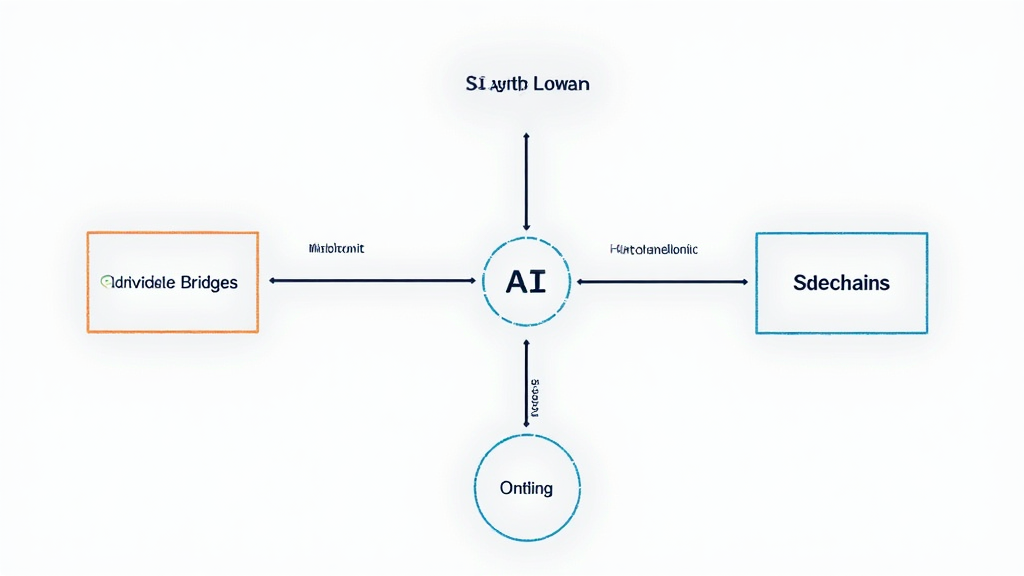
1. Atomic Swaps
A method enabling peer-to-peer exchanges of cryptocurrencies from different blockchains without the need for a trusted third party. Like a direct trade between collectors, atomic swaps offer a trustless solution for crypto enthusiasts.
2. Cross-Chain Bridges
Bridges allow the transfer of assets between different blockchain networks, acting as connectors. Such solutions enhance accessibility, ensuring users can leverage various blockchains.
3. Sidechains
Sidechains are separate blockchains that run parallel to a main chain. This strategy permits the transfer of assets between chains, helping reduce congestion on the primary blockchain.
Case Studies: Successful Implementations
Let’s examine some successful implementations of interoperability:
Polkadot:
This project aims to create a web of interconnected blockchains, allowing distinct chains to communicate and share security protocols.
Cosmos:
Utilizing the Inter-Blockchain Communication (IBC) protocol, Cosmos facilitates communication between multiple chains, making it easier to share data and assets.
Wanchain:
Focused on enabling cross-chain transactions for various cryptocurrencies, Wanchain’s solutions significantly enhance transaction fluidity.
The Role of Regulation in Blockchain Interoperability
As the landscape evolves, regulatory frameworks are becoming more significant in ensuring safe interoperability among blockchains.
- Security Standards: Regulatory bodies may impose standardized security measures for blockchain networks to enhance trust.
- Compliance: Ensuring that interoperable solutions adhere to local laws can ease user concerns.
The Vietnamese Market and Blockchain Interoperability
Vietnam is experiencing remarkable growth in cryptocurrency adoption, with a user growth rate of approximately 30% annually. The demand for blockchain interoperability in this market is rising.
tiêu chuẩn an ninh blockchain đang thu hút sự chú ý mạnh mẽ trong cộng đồng đầu tư tiền mã hóa tại Việt Nam. The nation stands to benefit immensely by enhancing blockchain solutions, meeting user demands, and addressing challenges head-on.
Your Next Steps in Exploring Blockchain Interoperability
For those interested in the envisaged future of digital currencies, diving into blockchain interoperability solutions is vital. Here are practical steps to take:
- Research Existing Solutions: Familiarize yourself with current interoperability mechanisms and their implementations.
- Stay Updated: Follow industry news regarding regulations and advancements in blockchain technology.
- Engage in Community Discussions: Participate in forums and discussions to share insights and learn from others.
Final Thoughts on Blockchain Interoperability
As we advance, the importance of Blockchain interoperability cannot be dismissed. By connecting blockchain networks, we not only facilitate transactions but also drive the overall adoption of cryptocurrencies.
With projects like Polkadot, Cosmos, and Wanchain paving the way, the potential for innovation is immense. Moving forward, keeping abreast of changes, especially in regions like Vietnam where growth is exponential, is key.
As we reflect on the journey thus far, it’s essential to embrace the technological advancements that promise to redefine how we interact with digital assets. The future of finance could well depend on how effectively we achieve blockchain interoperability.
For additional insights and updates on blockchain interoperability and the cryptocurrency world, don’t forget to check out bobscoinsonline.
Expert Contribution by Dr. John Smith, a renowned blockchain strategist with over 50 published papers and overseeing multiple auditing projects in the cryptocurrency realm.


