


Understanding Crypto Algorithmic Stablecoins: The Future of Financial Stability
In the ever-evolving landscape of cryptocurrency, the quest for stable assets amid volatility has led to innovative solutions. With $4.1 billion lost to DeFi hacks in 2024, the need for secure and reliable digital assets is paramount. Enter crypto algorithmic stablecoins, a promising alternative to traditional fiat-pegged stablecoins. This article will elucidate the intricacies of these digital assets, their mechanisms, advantages, and implications for the future of finance.
What Are Crypto Algorithmic Stablecoins?
Crypto algorithmic stablecoins represent a new category of digital assets that utilize algorithms and smart contracts to maintain price stability, typically pegged to a stable asset like the US dollar. Unlike traditional stablecoins, which rely on collateralization through fiat reserves, algorithmic stablecoins adjust their supply based on market demand automatically.
This innovative approach seeks to mitigate some of the shortcomings of their fiat-backed counterparts while maintaining the essential properties of cryptocurrencies, such as decentralization and transparency. Notably, projects like Ampleforth and Terra have showcased the potential for algorithmic stablecoins in the crypto space.
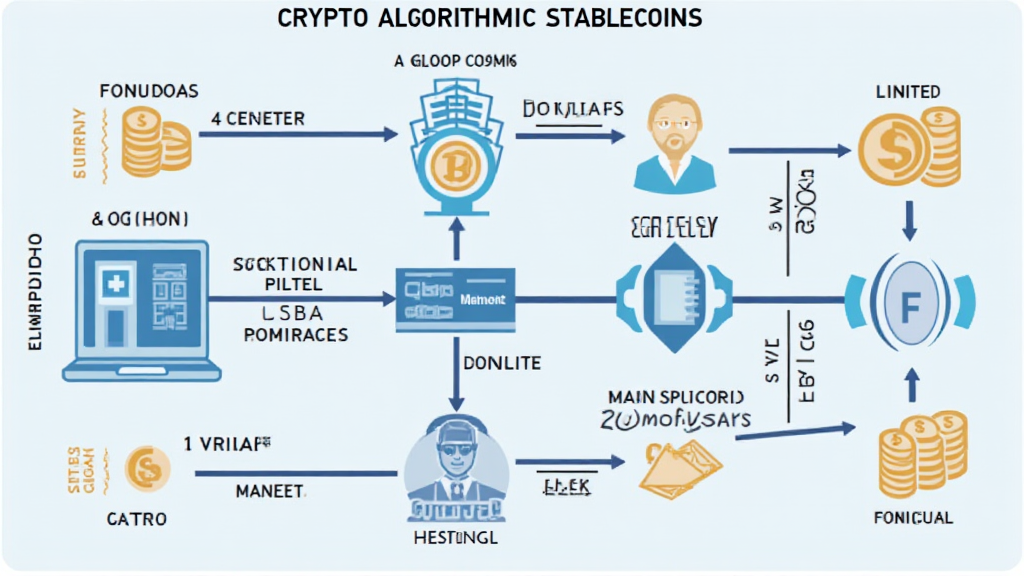
How Do They Work?
At its core, the operation of crypto algorithmic stablecoins can be understood as follows:
- **Supply Adjustment**: When the price of the stablecoin rises above its peg, the algorithm increases the supply, incentivizing holders to sell. Conversely, if the price falls below the peg, the supply is decreased, encouraging buying.
- **Market Participation**: Users can participate in maintaining the peg through mechanisms such as bonding or yield farming, allowing them to earn rewards while providing liquidity.
- **Smart Contracts**: All adjustments are governed by smart contracts, ensuring that the process is automatic and tamper-proof, reflecting real-time market conditions.
Advantages Over Traditional Stablecoins
While algorithmic stablecoins offer some distinct advantages, including:
- **Reduced Centralization**: With minimal or no reliance on fiat reserves, these stablecoins reduce the risks associated with centralized control, such as regulatory scrutiny.
- **Enhanced Flexibility**: The automatic supply adjustments provide a dynamic solution to maintaining price stability, adapting to market fluctuations in real-time.
- **Participation Incentives**: Users are rewarded for their participation in maintaining the ecosystem, promoting long-term engagement and stability.
Challenges and Risks
Despite the advantages, algorithmic stablecoins face several challenges:
- **Market Sentiment**: The effectiveness of an algorithmic stablecoin largely depends on the perception and trust of the market participants. In times of crisis, users may panic, leading to unintended consequences.
- **Complexity of Mechanisms**: The sophisticated algorithms can malfunction if not adequately tested, resulting in severe price volatility and loss of trust.
- **Regulatory Scrutiny**: As with all cryptocurrencies, regulatory bodies are monitoring the market for potential abuse, which could impact the operation of these tokens.
Case Studies of Successful Crypto Algorithmic Stablecoins
To appreciate the viability of crypto algorithmic stablecoins, it is imperative to explore successful projects and their implementations:
Tether (USDT) and Maker (DAI)
While not purely algorithmic, these projects utilize interesting hybrid models that incorporate automation in stabilizing currencies.
- **Tether’s Mechanism**: By maintaining a 1:1 fiat reserve, Tether provides a semi-algorithmic approach where real-world cash underpins the stable asset; however, it raised skepticism regarding its reserves.
- **MakerDAO’s DAI**: This decentralized stablecoin actively utilizes collateral in the Forms of ETH and other assets, with dynamic supply changes based on user-driven smart contracts.
**Table 1: Comparison of Stablecoin Models**
| Stablecoin Type | Collaterization | Stability Mechanism | Market Trust Level |
|---|---|---|---|
| Fiat-backed | 1:1 Fiat Reserve | Centralized Issuance | High |
| Crypto-backed | Smart Contract Protocols | Dynamic Supply Adjustment | Moderate |
| Algorithmic | None / Algorithmic Supply | Market Feedback via Algorithms | Variable |
Source: Own analysis, 2025 Blockchain Report.
Future of Crypto Algorithmic Stablecoins in Vietnam
As the cryptocurrency landscape matures, countries like Vietnam are experiencing significant growth in user adoption. With a reported user growth rate of 37% in 2023, incorporating algorithmic stablecoins could enhance the financial ecosystem in Vietnam.
The rise of digital payments and e-commerce encourages the integration of innovative financial products like algorithmic stablecoins. As regulatory frameworks evolve, the Vietnamese market may serve as a fertile ground for such assets.
Potential Use Cases in Vietnam
In Vietnam, crypto algorithmic stablecoins could streamline various sectors:
- **E-commerce Payments**: Seamless transactions across platforms could boost consumer trust and decrease transaction costs.
- **Remittances**: Enhanced security and lower fees could attract the expatriate community utilizing stablecoins for remittances back home.
- **Savings and Investments**: Introducing innovative savings options integrated with algorithmic stablecoins could provide higher returns compared to traditional bank options.
Conclusion
As we navigate the complexities of financial stability amid digital currencies, crypto algorithmic stablecoins emerge as an influential element in the evolving crypto ecosystem. By understanding their mechanisms, benefits, and challenges, investors, regulators, and participants can better prepare for an innovative future.
Whether you are discussing tiêu chuẩn an ninh blockchain or the next big breakthrough in crypto tokens, staying informed is key. The future looks promising, and now is the time to explore these fascinating developments.
For more insights into cryptocurrency and blockchain technology, please visit bobscoinsonline.
Author: Dr. James R. Smith
Dr. Smith has authored over 15 papers in the field of blockchain technology and has led audits for notable projects, cementing his position as a thought leader in the crypto space.


