

Introduction
As we stride into 2025, the landscape of blockchain technology is evolving at an unprecedented pace. With approximately $4.1 billion lost to DeFi hacks in 2024, enhancing security alongside scalability has become paramount for the crypto community. Many ask: What are the most effective blockchain scalability solutions?
In this article, we will explore the various dimensions of blockchain scalability, covering both technical solutions and market dynamics. Our aim is to provide a comprehensive assessment that will prepare platforms like bobscoinsonline for success.
Understanding Blockchain Scalability
Blockchain scalability refers to the ability of a blockchain network to accommodate a growing number of transactions. With the rapid increase in user adoption, especially in regions like Vietnam, which has seen a 30% growth in crypto users over the past year, scalability has emerged as a critical challenge.
Types of Scalability Solutions
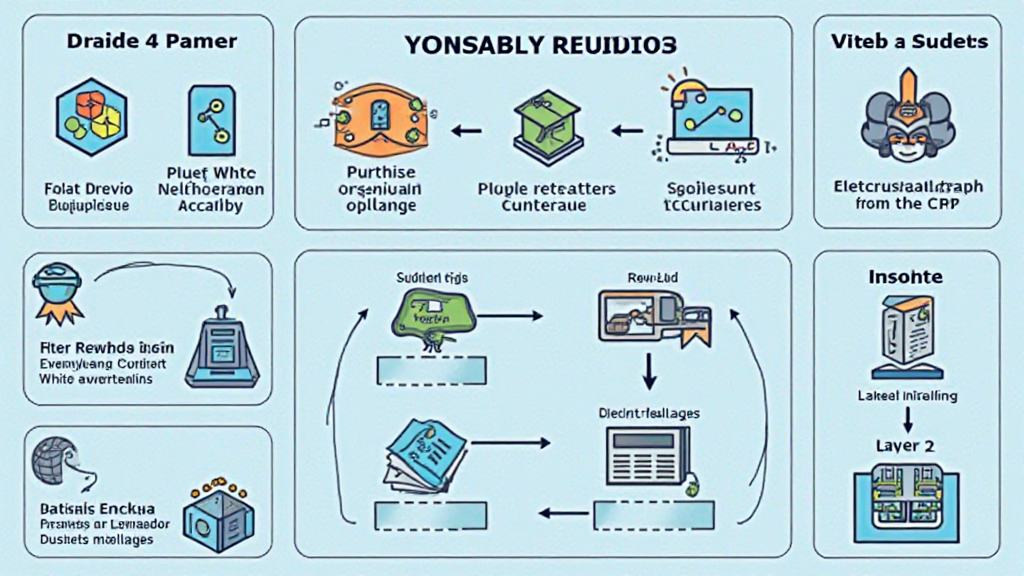
There are several notable blockchain scalability solutions that have garnered attention. They include:
- Layer 1 Solutions: These are on-chain solutions designed to enhance a blockchain’s capacity by modifying the core protocol itself.
- Layer 2 Solutions: Off-chain solutions like state channels and rollups help reduce the burden on the main chain.
- Sharding: This involves partitioning the blockchain into smaller, manageable pieces, allowing parallel processing of transactions.
Layer 1 Scalability Solutions
Layer 1 solutions directly address the limitations of the base layer of a blockchain. They focus on improving efficiency without additional layers. Here are some examples:
Proof of Stake & Other Consensus Mechanisms
Transitioning to proof of stake (PoS) can significantly improve scalability. Unlike the proof of work (PoW) method, PoS does not require extensive energy consumption. It allows greater transaction throughput.
Improved Block Size and Time
Increasing block sizes and reducing block time can also enhance scalability, although they may introduce centralization risks. For instance, Bitcoin Cash increased its block size to 32MB, while Ethereum 2.0 aims for more frequent block creation.
Layer 2 Scalability Solutions
Layer 2 solutions operate atop existing blockchain networks and help alleviate congestion by processing transactions off-chain.
State Channels
State channels facilitate private, secure communication off the main blockchain. Similar to a private banking system, they allow users to conduct multiple transactions before settling on-chain. This can greatly reduce fees and confirm times.
Rollups
Rollups bundle multiple transactions into a single transaction, which is then posted to the main chain. The Ethereum ecosystem has seen considerable adoption of rollups, making it an effective scalability solution.
Sharding: A Deep Dive
Sharding is often labeled as one of the most promising solutions for addressing blockchain scalability. By breaking the blockchain into shards, the overall network load is distributed, promoting improved performance.
How Sharding Works
Think of sharding like organizing files in a library based on topics. Each shard contains a different subset of database entries, allowing transactions to be processed in parallel, significantly increasing the throughput of the entire network.
Real-World Application: Vietnam’s Blockchain Growth
In Vietnam, the rapid increase in cryptocurrency adoption—now at a staggering 30% CAGR—underscores the need for effective scalability solutions. As more users and decentralized applications emerge, the demand for a robust infrastructure increases.
Mapping User Growth to Blockchain Solutions
As the user base grows, so does the transaction volume, necessitating the integration of effective scalability solutions. Various local startups are already embracing these technologies to provide enhanced user experiences.
Putting It All Together: The Road Ahead
The future of blockchain scalability does not hinge on a single solution. A hybrid approach that integrates Layer 1, Layer 2, and sharding will likely set the tone for upcoming advancements.
Forecasting Scalability Innovations for 2025
With the adoption of blockchain scalability solutions well underway, we can expect significant innovations that optimize user experience, from transaction speed to security enhancements.
Additionally, as regulatory frameworks evolve, the compliance aspects concerning tiêu chuẩn an ninh blockchain are expected to shape how scalability is approached globally.
Conclusion
Blockchain scalability is not merely a technical challenge; it is pivotal for the long-term success and adoption of cryptocurrencies. The solutions—whether they fall under Layer 1, Layer 2, or innovative approaches like sharding—are crucial for enabling smooth transactions and ensuring user trust.
As we move toward a more interconnected and technology-driven world, platforms such as bobscoinsonline need to invest in adopting these blockchain scalability solutions to cater to a growing user base and secure their positions in the market.
About the Author
Dr. Minh Nguyen is an esteemed blockchain consultant and has authored over 15 papers in the field of cryptocurrency technology. His expertise includes leading audits for global blockchain projects and leveraging insights into scalability solutions for digital asset networks.


