

Tokenomics Design Guide: Mastering the Future of Cryptocurrency
In recent years, the rapid growth of the cryptocurrency market has led to an explosive interest in tokenomics. With more than $4.1 billion lost to hacks in DeFi alone in 2024, understanding the underlying mechanisms that drive token value is crucial for any blockchain project. In this comprehensive guide, we will explore the foundational concepts of tokenomics, provide actionable insights for designing effective token models, and discuss the implications of these models on the long-term sustainability of your project.
Understanding Tokenomics
Tokenomics, the blend of “token” and “economics,” refers to the study and design of tokens within a blockchain ecosystem. Just like how traditional economies have laws and theories governing their behavior, tokenomics dictates how tokens are issued, used, and valued within a particular system. Here’s what you need to know:
- Circulation & Supply: This involves the total supply of tokens and how they are distributed among users. A capped supply can create scarcity, whereas an uncapped supply can lead to inflation.
- Utility: Tokens must have a purpose—whether for transactions, governance, or as a medium of exchange.
- Incentives: Good tokenomics design ensures that all participants are fairly incentivized. This includes early investors, developers, and users.
Key Components of Tokenomics
Before launching a cryptocurrency project, it’s essential to understand the key components that drive successful tokenomics:
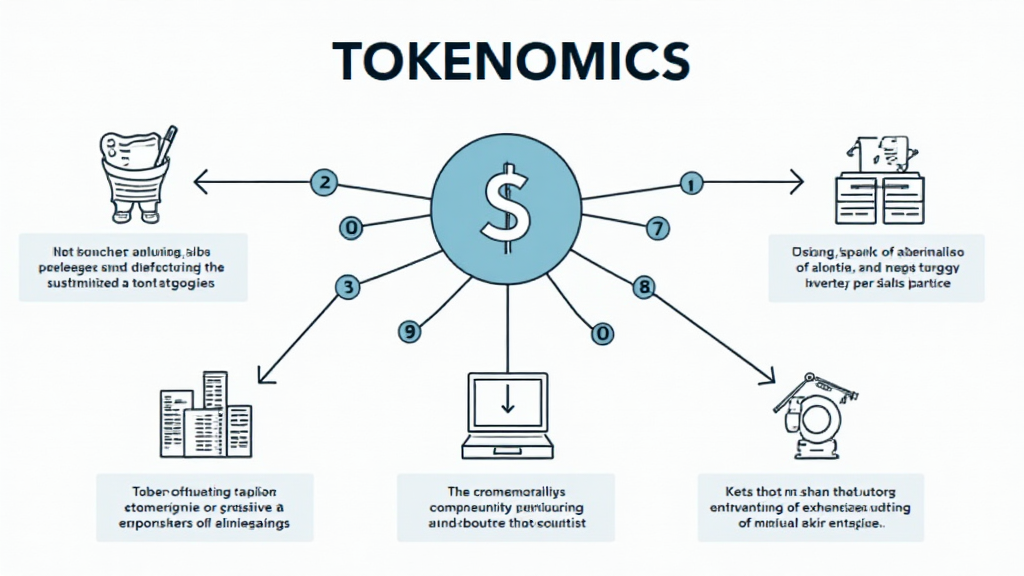
- Distribution Model: Consider how tokens will be allocated during the initial launch. Models can include Initial Coin Offerings (ICOs), Initial Exchange Offerings (IEOs), or airdrops.
- Governance Protocols: Determine how decisions will be made within the ecosystem. Governance models can be centralized or decentralized, impacting community participation.
- Deflationary Mechanisms: Implementing burn mechanisms can help maintain or increase token value over time. This could involve periodic buybacks or token burning after transactions.
- Transparency: Establish a clear and transparent communication plan, detailing how funds will be used and how the project will evolve.
Case Study: Successful Tokenomics Implementations
Several projects have successfully navigated tokenomics, yielding significant returns for their investors. Here’s a look at some examples:
- Ethereum: With its robust ecosystem and utility token (ETH), it showcases an effective distribution model and a strong development community.
- Binance Coin (BNB): Its token burn strategy creates deflationary pressure, contributing to sustained growth in token value.
Designing a Robust Tokenomics Strategy
Designing an effective tokenomics framework requires a blend of creativity, analysis, and strategic foresight. Here’s how you can craft a successful token model:
- Conduct Market Research: Analyze existing projects to identify gaps that your token can fill. This involves assessing competitive projects and user needs.
- Get Community Feedback: Engage with potential users to gather insight and iterate your design based on their input.
- Monitor Global Trends: Keep an eye on market trends, including user growth rates in regions like Vietnam, where the crypto user base saw a 200% increase in 2023.
Navigating Compliance and Regulations
Before launching your token, it’s critical to navigate the evolving landscape of regulations. Not complying can result in fines or the shutdown of your project. Here are some essential steps:
- Understand Local Laws: With Vietnam poised to enact strict regulations, comprehend how these laws impact your launch.
- Engage Legal Experts: Consulting with legal professionals can clarify compliances, ensuring a smooth launch process.
Future Trends in Tokenomics
The future of tokenomics is ever-evolving. Here are some trends to watch out for in the coming years:
- Social Tokens: Community-driven tokens are growing in popularity, allowing creators to monetize their influence directly.
- Cross-Chain Functionality: Tokens that can operate across multiple blockchains may become a standard, increasing liquidity and usability.
Tools and Resources for Tokenomics
Numerous tools exist to aid in the design and analysis of tokenomics:
- Tokenomics Calculator: Helps evaluate potential token distribution strategies.
- Governance Platforms: Tools like Aragon facilitate decentralized governance.
Implementing these tools effectively can streamline your tokenomics design process and drive better outcomes.
Conclusion: Creating Sustainable Token Models
In conclusion, tokenomics is a vital component of building a successful cryptocurrency project. The way you design your token will determine its utility, attractiveness, and longevity in the market. By understanding the intricacies of token allocation, incentives, and user demands, you can create a thriving digital economy. Don’t overlook your local market’s nuances—especially in growing regions like Vietnam where crypto adoption is on the rise. Remember, a well-designed tokenomics framework not only fuels your project but also builds trust and credibility with your users. For further reading on cryptocurrency practices, be sure to check out our guides.
For all aspiring token creators, the strategies laid out in this guide act as the foundation for your success on platforms like bobscoinsonline. Here’s to your future in the world of cryptocurrency!
About the Author: Dr. Michael Anderson is a recognized expert in blockchain technology, with over 50 published papers in digital currencies and a pivotal role in auditing several high-profile projects.


